
When most people visit the new Costco in Stuart, Florida, they notice the bustle, the convenience, the newness of it all. What they might not realize is that every tree, shrub, and groundcover surrounding that site was chosen with careful intent.
At Lucido & Associates, we believe that great landscapes don’t just frame the built environment—they restore it, reconnect it, and root it in the story of a place. Our work at Kanner Commercial Planned Unit Development or CPUD (the official name for the broader development surrounding the Costco site) offers a powerful example of what it means to make thoughtful, ecologically driven design choices—starting with something as foundational as plant selection.
This wasn’t just a landscape plan. It was an opportunity to heal, to reflect local ecology, and to demonstrate how native-first thinking can shape resilient, beautiful, and community-minded places.
Designing with PLACE in Mind
At the heart of our design process is our PLACE philosophy: People, Landscape, Architecture, Community, and Environment. This framework helps us look at every site not as a blank canvas, but as a living, evolving ecosystem with a past, present, and future.Architecture
For the Kanner CPUD site, which had been the subject of local debate for years before it broke ground, we knew that the landscape needed to do more than meet code. It needed to send a message: that this development was not about erasing the past, but honoring it.
We started with a simple question—how can we enhance the landscape in a way that honors its natural character, while creating a space that’s functional, beautiful, and built to last?
The answer? A 100% native plant palette.
Why Native? Why Here?
Going fully native isn’t always the default—and it’s not always required by municipalities. But in this case, it felt essential.
From the start, we knew the site would require heavy mitigation due to significant tree removal and the sensitive nature of the surrounding environment. That gave us a chance to plant densely, with a rich diversity of species. And when you’re planting at that scale, native material just makes sense.
Native plants are inherently suited to local conditions. They’re drought-tolerant, storm-resilient, and require far less maintenance once established. But they also represent a deeper connection to place. They mirror the natural ecosystems that once thrived on the site. They invite wildlife back in. They restore function and form.
As project landscape architect Kevin Velinsky shared, “We wanted the site to look as close to how it did before as we could. We knew what was going to do well here—we wanted stuff that was going to last.”
This wasn’t just about ecology—it was about public trust. In a community that had voiced real concerns about the scale and impact of the project, restoring the native landscape became a gesture of goodwill. A way to say: we hear you, and we care about what this land means to you.
Right Plant, Right Place
Of course, “native” doesn’t mean one-size-fits-all. Some species grow to three feet. Others tower at twenty-five. And each part of the site had different needs.
Our process began with a macro view—analyzing the site as a whole. From there, we looked at specific zones and designed planting schemes that matched the character, function, and ecological requirements of each area.
Buffer Zones
Around the perimeter, where buffering was required, we chose larger, denser native species. These plants needed to screen views, provide privacy, and thrive with minimal intervention. The goal: create a soft, natural edge that blended the site back into its context.
Road Frontage
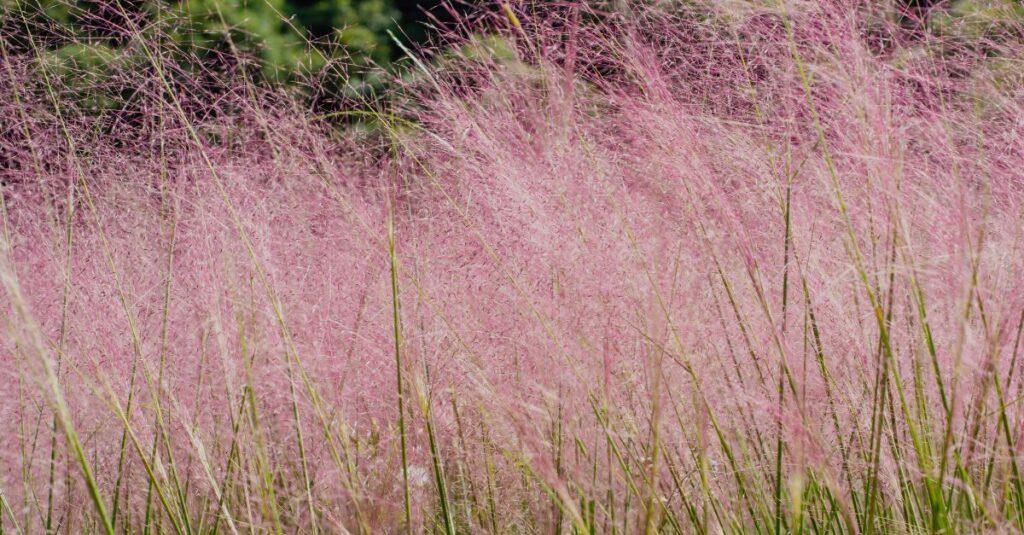
In highly visible areas—along major roadways and entry points—we dialed up the texture and color. These were the moments to make an impression. Native wildflowers, grasses, and layered plantings added visual interest and seasonal variation without sacrificing durability.
Stormwater Treatment Areas
Florida’s climate demands smart water management. We incorporated native species specifically suited for stormwater basins and infiltration zones—plants that could handle fluctuating moisture levels, filter runoff, and reinforce soil stability.
Amenity Zones
At the heart of the project lies a high-end residential component with its own landscape needs. Here, we had the opportunity to craft a more refined native experience—one that felt lush, curated, and people-focused, without stepping away from the integrity of the local palette.
Every zone served a different function. But together, they told a cohesive story: a landscape that was diverse, deliberate, and deeply connected to its setting.
Design Meets Practicality
While design vision drives our work, we’re always balancing creativity with real-world logistics.
Plant availability and budget are key considerations—especially on large-scale sites like Kanner CPUD. Some native species are harder to source, or more costly to install and maintain. That’s where collaboration becomes essential.
“We had very detailed discussions with the client and contractors about procuring material,” Kevin explained. “If a plant was hard to find, we looked at alternate options that still met the intent.”
That level of flexibility—and trust—was what made this project work. M&M Realty Partners/JMP Holdings, under the leadership of Joe Marino, leaned on our expertise, while also contributing practical insights from a construction and maintenance standpoint. It was a partnership rooted in shared goals: quality, longevity, and community impact.
Designing for the Long Term
Native plants don’t just look good on Day 1—they’re built for the long haul. But only if they’re planted in the right conditions, with the right support.
Maintenance was a key part of our planning process. As designers, we don’t just hand off a landscape and walk away. We provide detailed guidelines and specifications that shape how the site is cared for—from pruning techniques to irrigation needs.
And because this project is in our own backyard, we’re on-site regularly. Checking in. Noting what’s thriving and what’s not. Offering recommendations. Stewardship doesn’t stop at installation—it’s part of the full lifecycle of the landscape.
The goal? To design in a way that doesn’t require constant upkeep. By choosing hardy, site-appropriate plants, we reduce long-term costs for the owner and ensure the space continues to thrive—visually and ecologically—for years to come.
Final Thoughts
The landscape at Kanner CPUD isn’t flashy. It’s not ornamental. But it is meaningful.
Every plant tells a story—of what once grew here, of what thrives now, and of what will endure.
In a world where development often feels at odds with ecology, this project proves that the two can work hand in hand. That native landscapes can be stunning, resilient, and practical. And that by designing with intention, we can create spaces that serve not just the present—but the future.


